After a car accident, the first priority is making sure everyone involved is safe. If possible, move your vehicle to a safe location and contact local authorities to report the accident. It is also helpful to document the scene by taking photos of the vehicles, damage, and surrounding area. Once everything is handled safely, the next step is scheduling a professional inspection with a trusted repair shop. Experienced technicians can evaluate both visible and hidden damage to ensure your vehicle is properly repaired and safe to drive again.
The timeline for
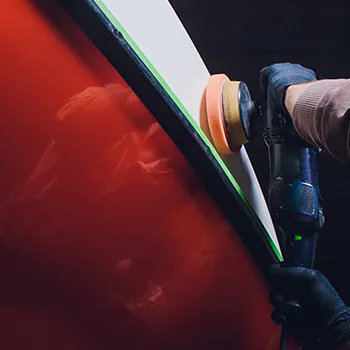
collision repair depends on the severity of the damage and the type of repairs needed. Minor dents or cosmetic repairs may only take a few days, while more extensive structural repairs can take longer. Repair shops typically perform a detailed inspection first to determine the full scope of work before providing a timeline. Ordering parts, completing repairs, and refinishing the vehicle all contribute to the process. A professional repair facility will keep customers informed throughout the repair so they understand each step along the way.
Many collision repairs are covered by auto insurance, depending on the type of policy and the circumstances of the accident. After an accident, drivers usually file a claim with their insurance provider, who may then work with the repair shop to approve the necessary repairs. Professional repair shops often assist customers with documentation and communication throughout the claims process. This support helps simplify the experience and ensures the repair work meets insurance and manufacturer standards.
Even small
dents or scratches can impact a vehicle’s appearance and long-term value. Damage to the paint can expose the metal beneath it, which may eventually lead to rust or corrosion if it is not repaired. In addition to cosmetic concerns, dents may sometimes indicate underlying structural issues that should be inspected by a professional. Addressing small repairs early often prevents larger problems and helps keep the vehicle looking and performing its best.
Modern vehicles often include advanced driver assistance systems that help drivers stay aware of road conditions and avoid potential hazards. These systems rely on cameras, sensors, and radar technology that must be precisely aligned to function properly. After certain repairs, such as windshield replacement or collision repairs, these components may need recalibration. Proper
ADAS calibration ensures features like lane departure warnings and collision detection systems continue to operate accurately and safely.
Frame damage may not always be visible after a collision, but there are several signs that may indicate a structural issue. Drivers might notice unusual tire wear, difficulty steering, uneven gaps between body panels, or changes in how the vehicle handles. Because the frame supports the entire structure of the vehicle, any damage should be inspected by trained technicians. Professional frame inspection equipment can detect even small misalignments and allow technicians to restore the frame to manufacturer specifications.
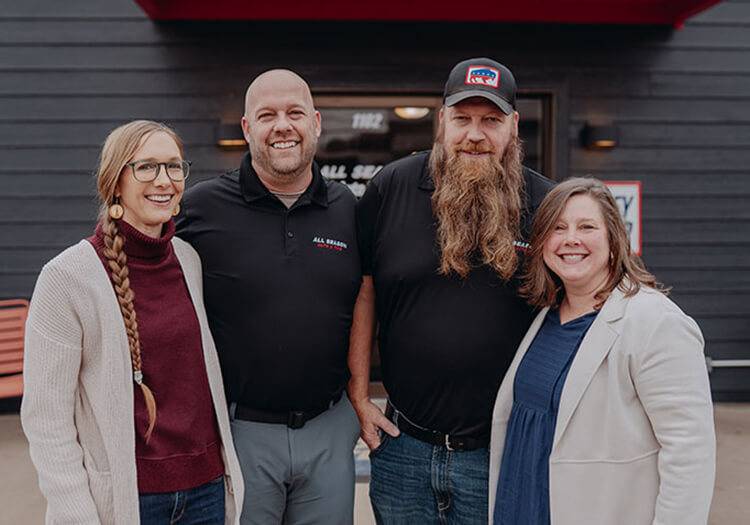
Choosing a local collision repair shop allows drivers to work with technicians who understand the needs of the community and take pride in their workmanship. Local repair facilities often build their reputation on trust, quality service, and long-term relationships with customers. Working with a nearby shop also makes it easier to ask questions, receive updates, and inspect repairs if needed. A trusted local repair team focuses on delivering careful repairs that restore both the safety and appearance of the vehicle.